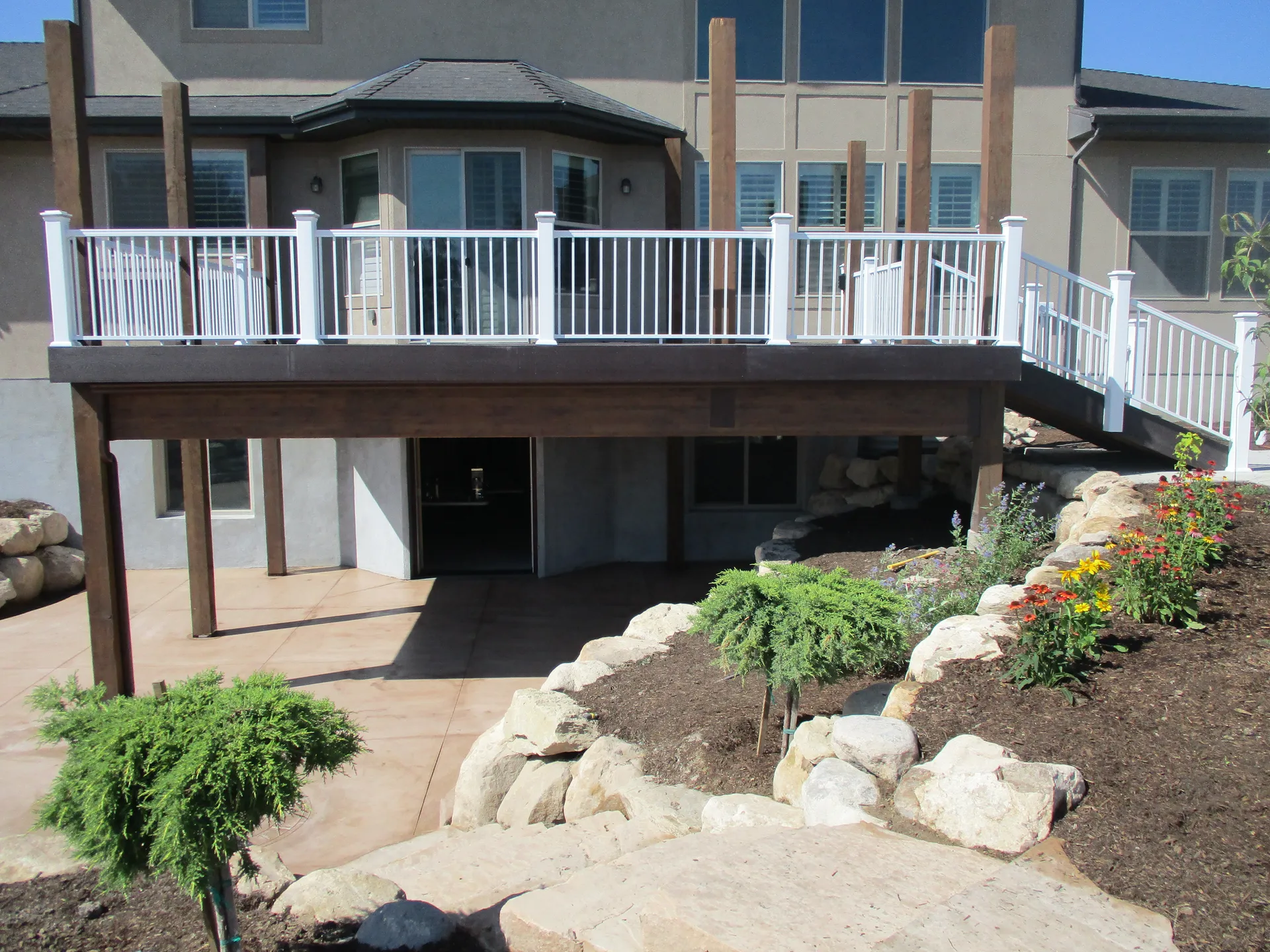
Deck Construction Northern Utah
Custom Decks Built for the Wasatch Front Since 1976
From mountain homes in Park City to backyard living spaces across the Salt Lake Valley, Cherrywood Construction brings over 50 years of hands-on deck building experience to every project. We understand what it takes to build a deck that holds up to Northern Utah winters.
Get Free Deck Construction QuoteDECK CONSTRUCTION PROJECT GALLERY
Follow this elevated composite deck build from structural framing to finished outdoor living space — featuring dark composite decking, white vinyl railings, and LED stair lighting.
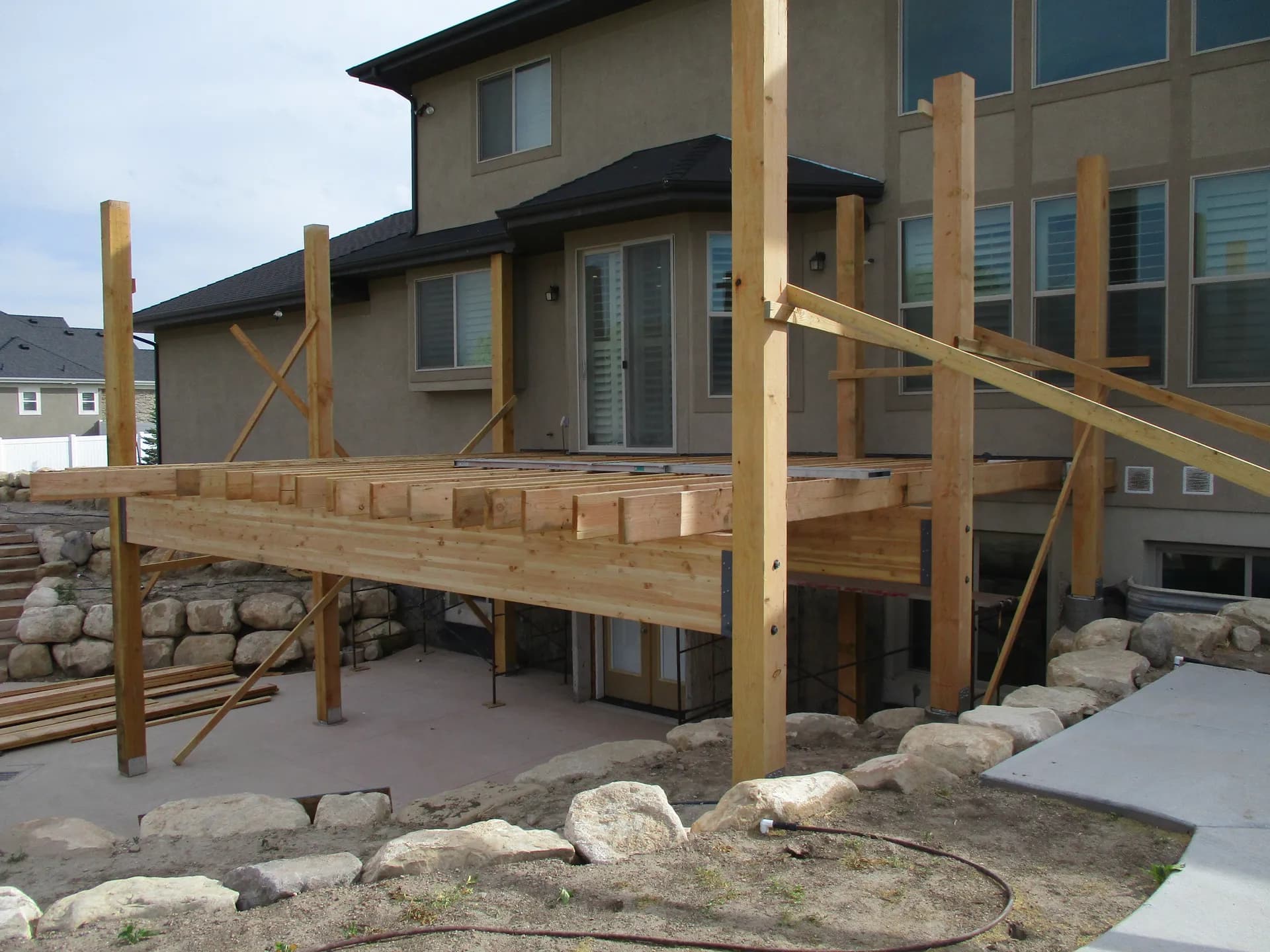
Structural framing and post layout
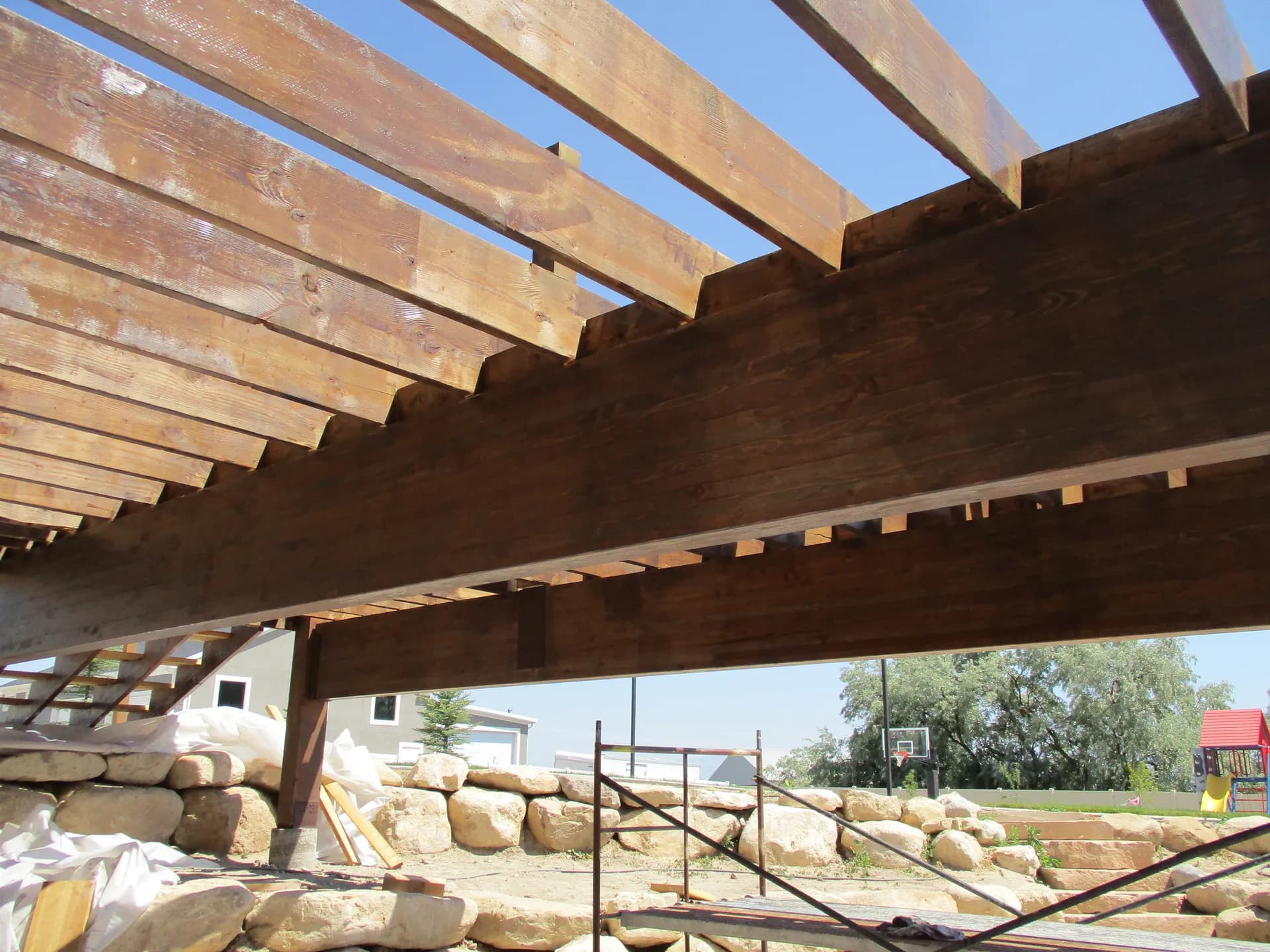
Floor joist installation
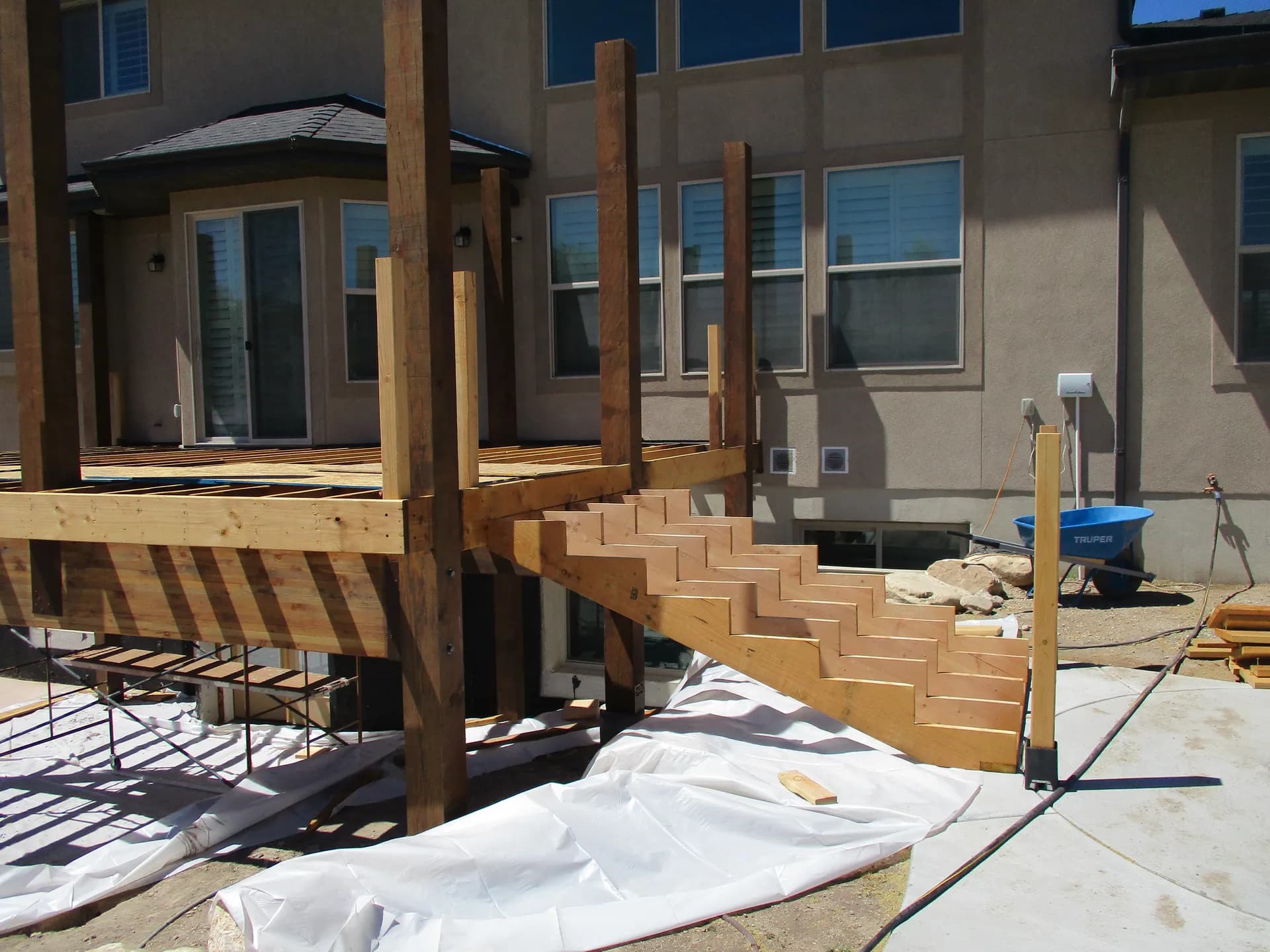
Stair stringer framing
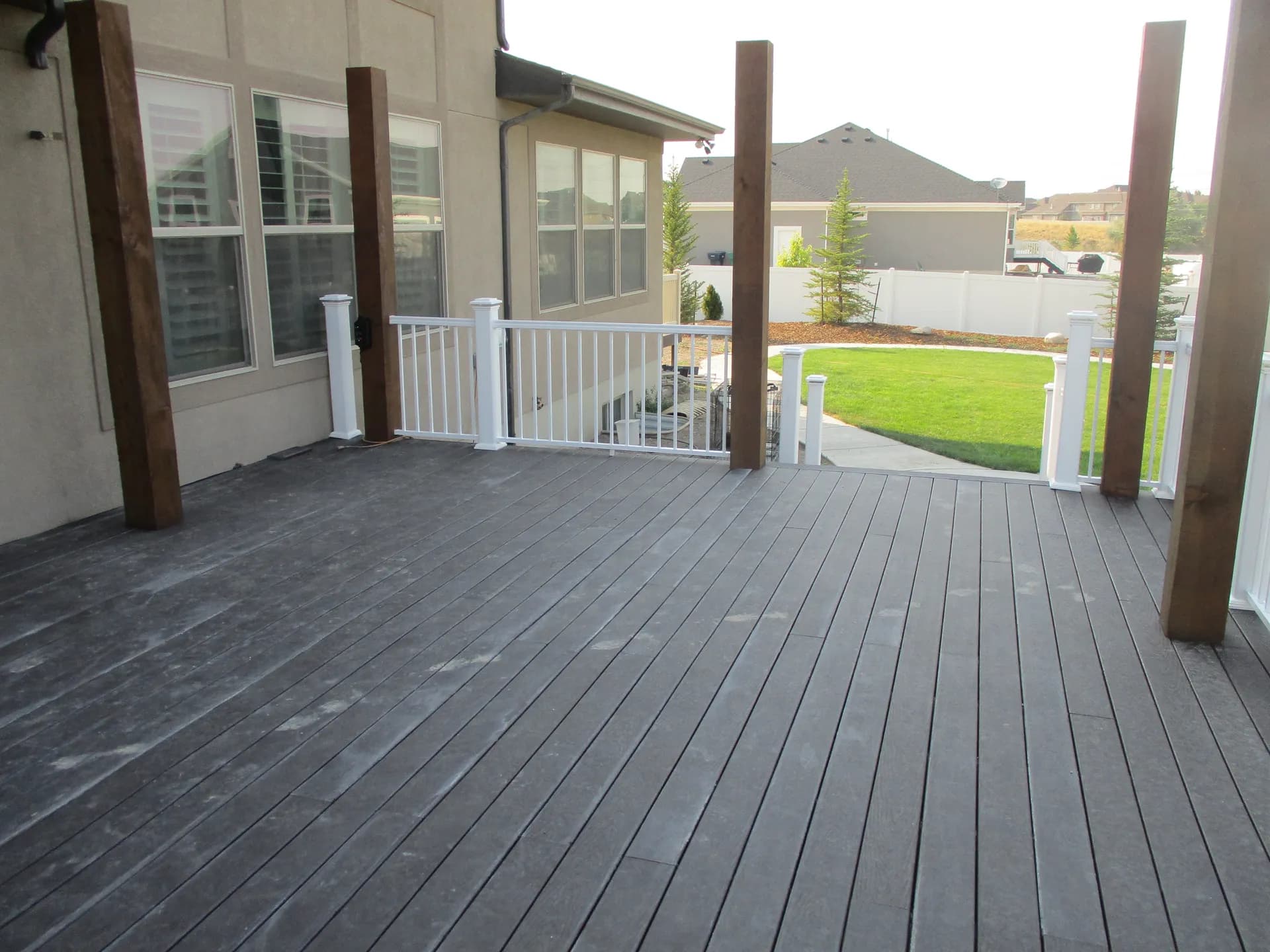
Composite decking surface installed
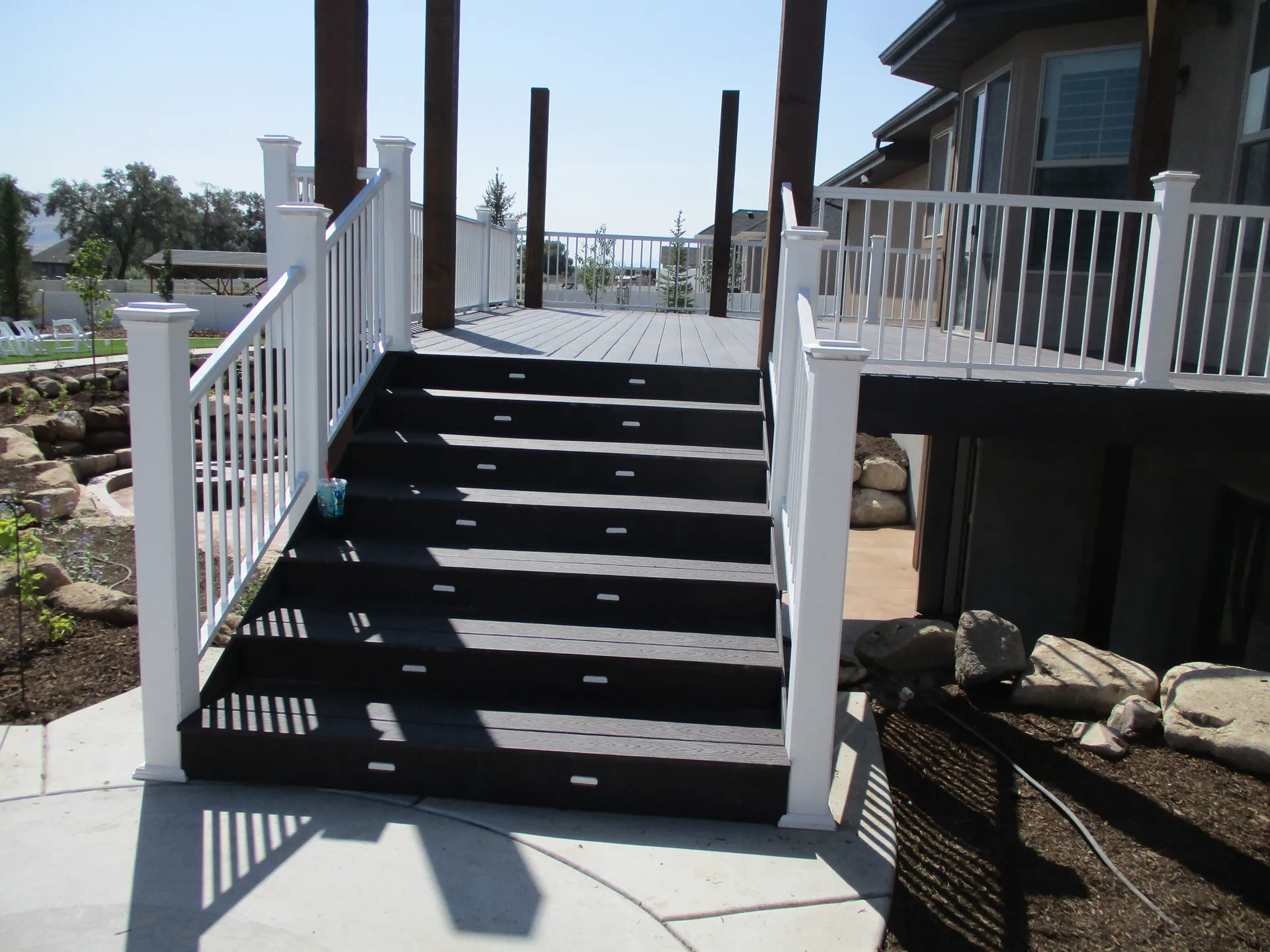
Finished stairs with LED lighting
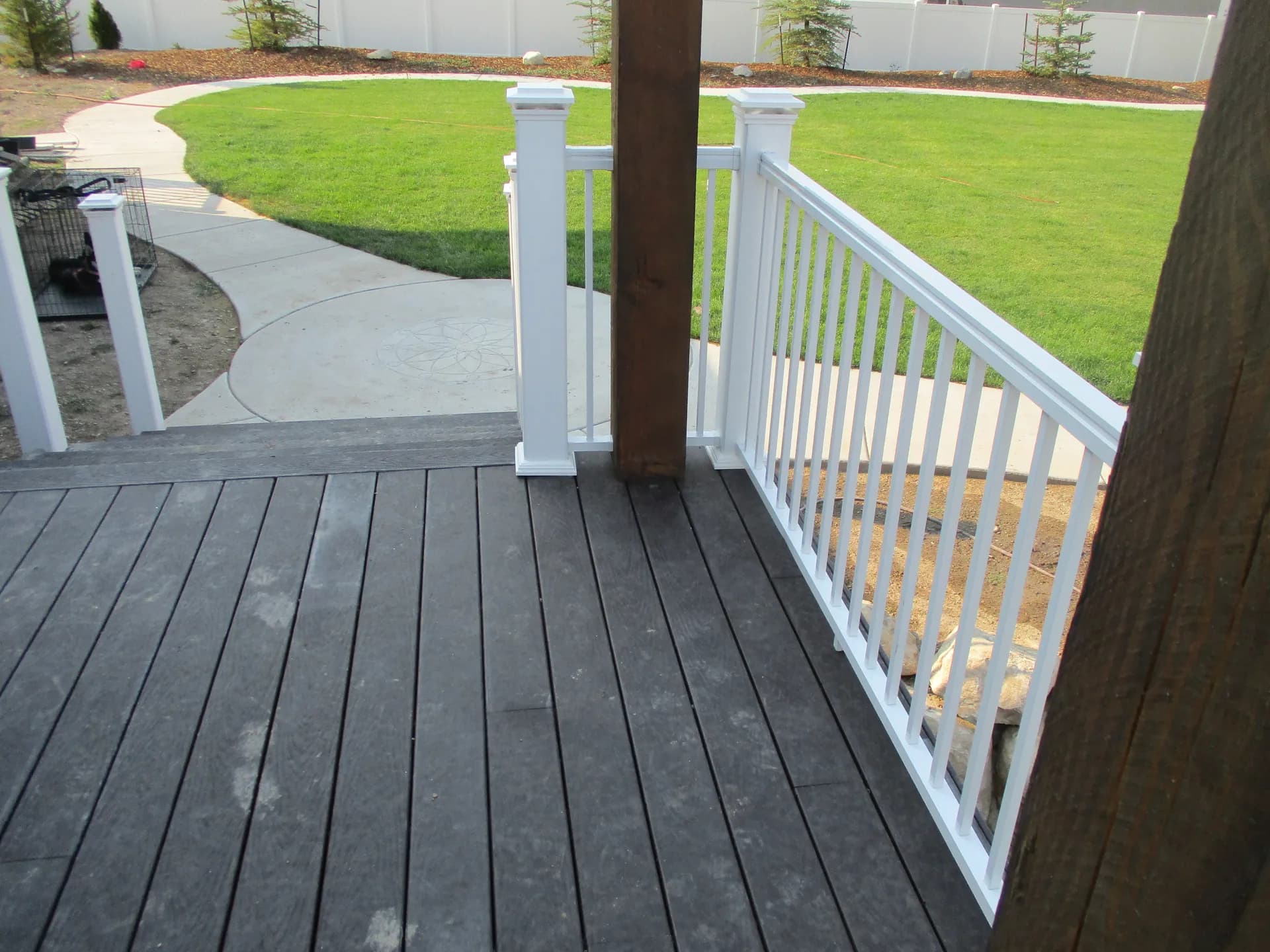
White vinyl railing system
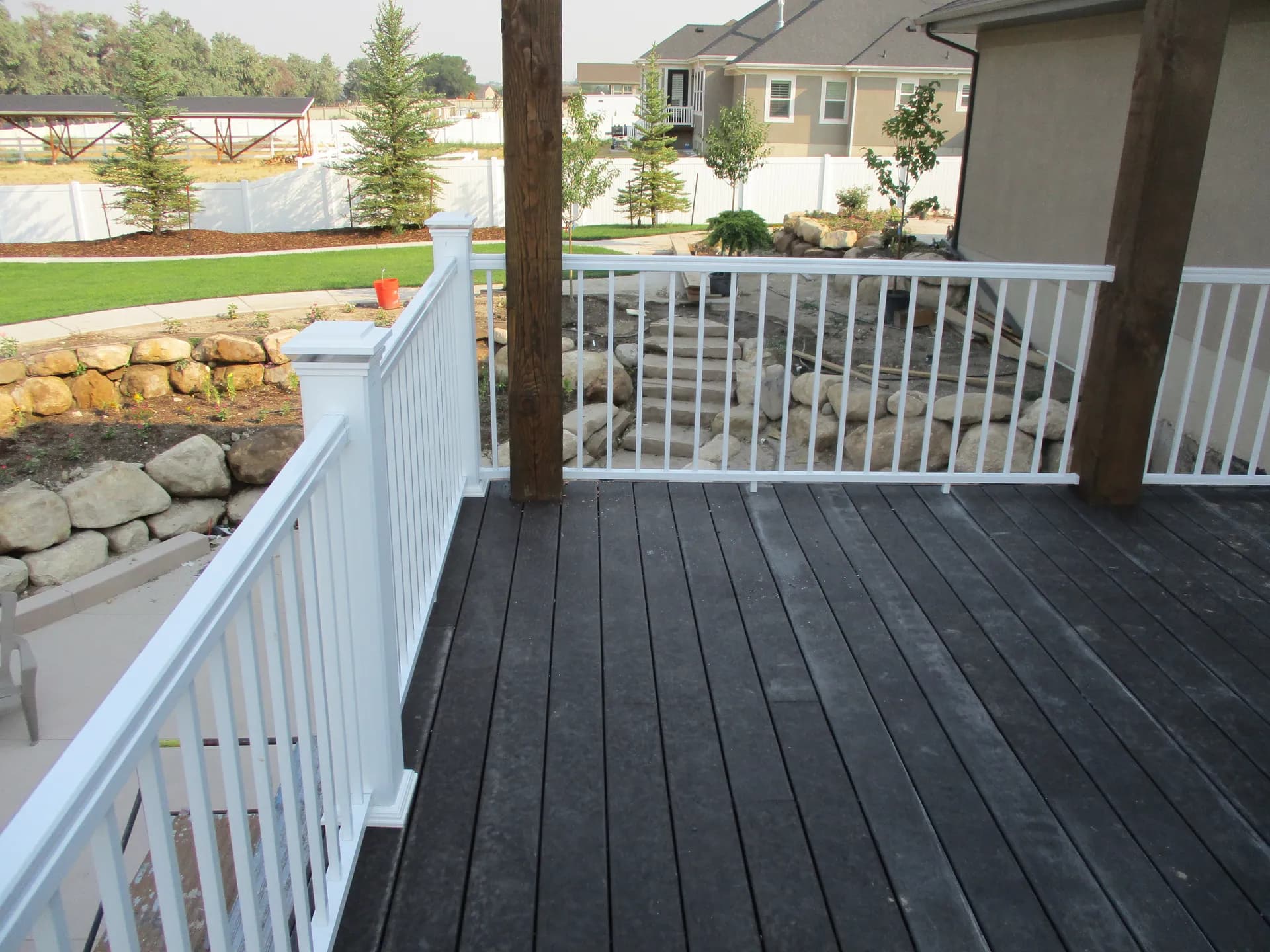
Completed deck with landscaping
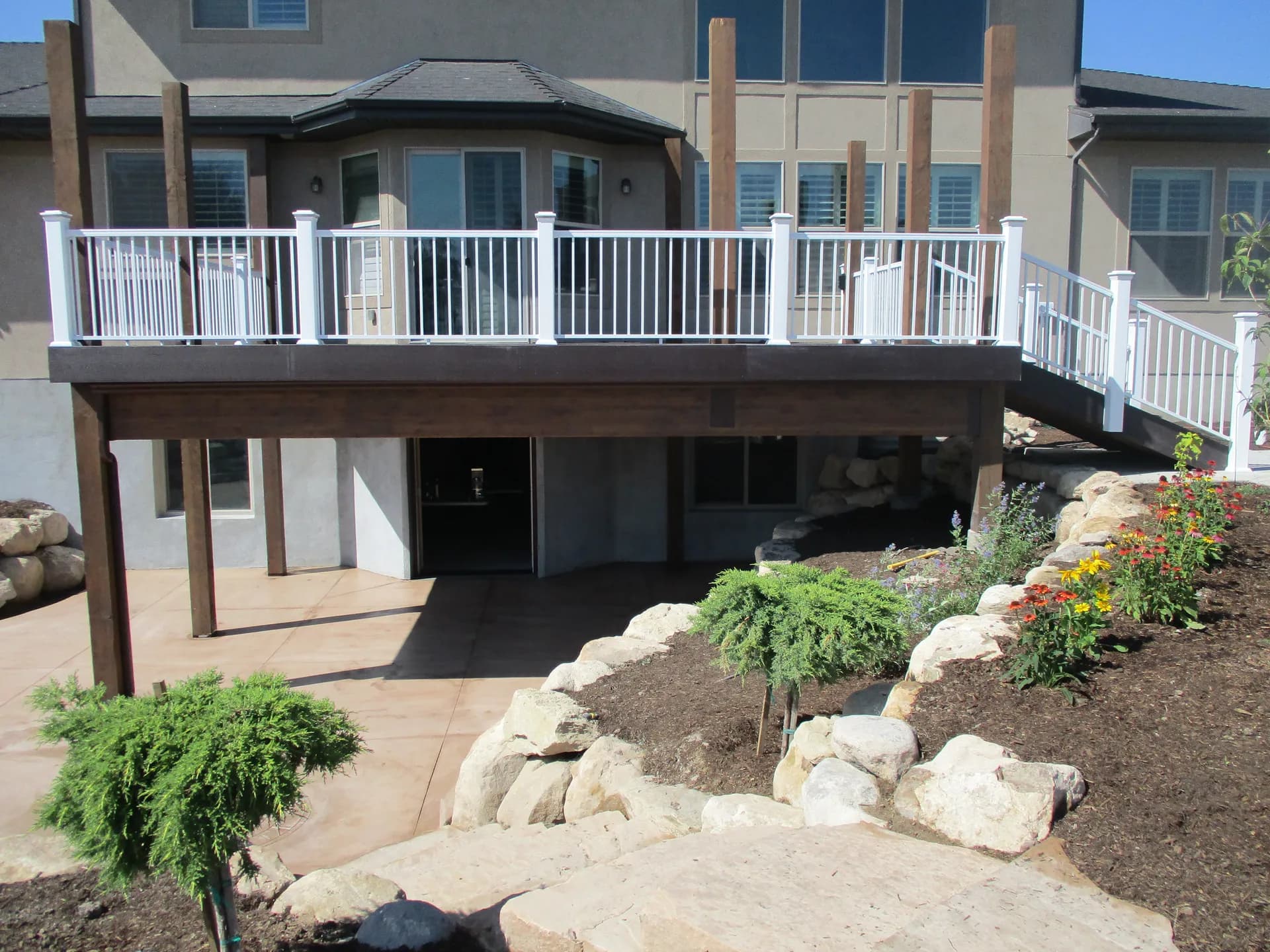
Finished elevated composite deck
Northern Utah Deck Builders You Can Trust
Building a deck in Northern Utah demands a contractor who knows this region firsthand. At Cherrywood Construction, we've been designing and building decks along the Wasatch Front since 1976—from elevated mountain properties in Park City and Summit County to ramblers and two-story homes in Sandy, Draper, and South Jordan. As a licensed general contractor with five decades of local experience, we've worked with building departments across Salt Lake, Utah, Davis, Weber, and Summit counties, and we've seen what happens when deck contractors skip steps or underestimate Utah's conditions.
Northern Utah's climate tests outdoor structures in ways that many regions don't. Ground snow loads along the valley floor—Salt Lake City sits at 4,226 feet—range from 28 to 43 psf depending on exact location, while mountain communities like Park City at 7,000 feet can see loads exceeding 90 psf. The Wasatch Front experiences 50 to 80 freeze-thaw cycles annually, stressing every fastener, footing, and connection in a deck structure. At Utah's elevation, UV radiation is 25 to 70 percent more intense than at sea level, accelerating material degradation that homeowners in lower-altitude states never deal with. Every deck we build accounts for these realities.
Proper footings are the most critical part of any deck installation in Northern Utah. The frost line across most Wasatch Front cities sits at 30 inches—meaning concrete footings must extend at least that deep to prevent frost heave from pushing the deck out of alignment. In West Jordan, that requirement jumps to 48 inches. Mountain communities may need even deeper footings depending on elevation and soil conditions. We pour footings with adequate bearing area for the loads above, set post anchors precisely, and schedule footing inspections before moving to the next phase.
Whether you're adding a ground-level deck off the kitchen for outdoor entertaining, building a multi-level structure to navigate a bench-area slope in Draper or Cottonwood Heights, or creating a wraparound deck with mountain views at a Park City home, we handle the full design-build process. We work with the terrain and architectural style of your home—from the ramblers and split-levels common across the valley to mountain contemporary designs in Summit County—ensuring the finished deck extends your living space and fits the way Northern Utah families actually use their homes.
Material selection matters more in Northern Utah than in most markets. Composite decking from brands like Trex, TimberTech, and Fiberon has become the most popular choice here because it resists UV degradation at altitude and holds up through years of freeze-thaw cycling without annual staining or sealing. Western Red Cedar remains a strong natural wood option—it's naturally rot-resistant and can be stained to any color, though it requires resealing every one to two years given Utah's intense UV at elevation. We walk you through the trade-offs during consultation so you choose the material that fits your lifestyle and budget.
Why Building a Deck in Northern Utah Requires Local Expertise
Snow Load Engineering Requirements
Ground snow loads in Northern Utah vary dramatically by location and elevation. Salt Lake City's design criteria specify a minimum 43 psf for sites up to 4,500 feet, while Park City at 7,000 feet sees loads of 75-90 psf. The Utah-adopted 2021 IRC requires decks to be designed for either the standard live load or the ground snow load, whichever is greater—meaning most Northern Utah decks must carry significantly more weight than the standard 40 psf used elsewhere. Beam sizes, joist spacing, post dimensions, and footing bearing areas all increase accordingly.
Frost Depth and Footing Standards
Most Wasatch Front jurisdictions require deck footings to extend at least 30 inches below finished grade to sit below the frost line. West Jordan is a notable exception at 48 inches. Footings that don't reach proper depth are subject to frost heave—a force that pushes footings upward as soil freezes and thaws through 50 to 80 annual cycles in this region. We pour footings to jurisdiction-specific depth with adequate bearing area calculated for your deck's tributary loads and your site's soil-bearing capacity.
High-Altitude UV and Material Longevity
At Salt Lake City's elevation of 4,226 feet, UV radiation is roughly 25-42% more intense than at sea level. In Park City above 7,000 feet, that number jumps to 42-70%. This accelerated UV exposure fades deck surfaces, breaks down wood fibers, and degrades sealants faster than homeowners expect. Composite decking with built-in UV inhibitors has become the dominant choice locally for this reason. Natural wood decks here need resealing every one to two years rather than the three to five year intervals common at lower elevations.
Building Permits and Code Compliance
The 2021 IRC adopted by Utah requires building permits for virtually all deck construction. Requirements vary by jurisdiction—Salt Lake City exempts decks under 30 inches that don't require guards and don't serve an egress door, while unincorporated Salt Lake County exempts freestanding decks under 200 square feet and 18 inches above grade. Railing heights (36 inches residential), stair dimensions (maximum 7-3/4 inch risers, minimum 10-inch treads), baluster spacing (no passage of a 4-inch sphere), and ledger board attachment all have specific code requirements we address during design and permitting.
Deck Types for Northern Utah Properties
Our expert contractors specialize in all types of deck construction projects.
Composite Decking
The most popular decking choice across Northern Utah for good reason. Composite boards from Trex, TimberTech, and Fiberon resist the UV degradation that plagues natural wood at our elevation and hold up through decades of freeze-thaw cycles without annual staining or sealing. Most carry 25-year or longer warranties.
- UV-resistant for high-altitude conditions at 4,200-7,000+ ft
- No annual staining or sealing required
- Withstands 50-80 freeze-thaw cycles per year
- Made from up to 95% recycled materials
- Multiple colors and realistic wood grain patterns
Cedar and Redwood Decking
Western Red Cedar offers natural beauty and warmth that many Northern Utah homeowners prefer, particularly on mountain contemporary homes in Summit County and traditional styles across the valley. Cedar naturally resists rot and insects, though Utah's UV intensity at altitude means resealing every one to two years to maintain appearance and prevent surface cracking.
- Natural beauty suited to mountain and traditional homes
- Naturally rot and insect resistant
- Can be stained or sealed in any color
- Requires resealing every 1-2 years in Utah climate
- Available from local suppliers throughout Northern Utah
Elevated and Multi-Level Decks
Properties along the Wasatch Front bench areas—Cottonwood Heights, Draper's east side, Federal Heights—and in mountain communities like Park City often have sloped terrain that calls for elevated deck construction. Multi-level designs navigate grade changes while creating distinct zones for dining, lounging, and entertaining.
- Engineered for bench-area hillsides and mountain lots
- Multiple levels creating separate outdoor living zones
- Integrated stairs and access points
- Structural engineering for snow loads at height
- Captures panoramic views of mountains and valleys
Ground-Level and Patio Decks
Low-profile decks built close to grade create seamless transitions between indoor and outdoor living spaces. These are popular throughout the Salt Lake Valley for ramblers and two-story homes where the main living area opens directly to a flat backyard—common in communities like South Jordan, Herriman, and Lehi.
- Seamless indoor-outdoor transition for entertaining
- No railing required when under 30 inches above grade
- Ideal for flat valley lots and rambler-style homes
- Cost-effective deck construction option
- Easy access from sliding doors or French doors
Our Northern Utah Deck Building Process
Property Assessment and Design Consultation
We visit your property to evaluate terrain, slope, soil conditions, sun exposure, and access. We discuss your vision—size, layout, materials, and features—and develop a deck design that works with your lot, your home's architecture, and local code requirements.
Structural Engineering and Permitting
We prepare structural plans with snow load calculations specific to your location and elevation, then submit permit applications to your local building department. We coordinate plan review and address jurisdiction-specific requirements across Northern Utah counties.
Footing and Foundation Work
Concrete footings are poured below the frost line—30 inches in most Wasatch Front cities, 48 inches in West Jordan—with proper bearing area for the structural loads above. Post anchors are set precisely to ensure a level, stable foundation.
Framing and Structural Assembly
Posts, beams, and joists are installed per engineering specifications. Ledger boards are attached with code-compliant fasteners and flashed with corrosion-resistant material to prevent water intrusion. All connections use hardware rated for the snow and live loads specific to your site.
Decking, Railings, and Finish Work
Decking material is installed with proper spacing and fastening for the composite or wood product selected. Railings are built to the 36-inch residential height requirement with code-compliant baluster spacing. Stairs meet the maximum 7-3/4 inch riser and minimum 10-inch tread requirements.
Final Inspection and Owner Walkthrough
We coordinate final building inspection with your local jurisdiction and walk through the completed deck with you. We explain maintenance schedules appropriate for your materials and Northern Utah's UV and freeze-thaw conditions.
Licensed & Insured
- • Utah licensed general contractor
- • Fully bonded and insured
- • Workers compensation coverage
- • Liability insurance protection
- • Building code compliance
Quality Assurance
- • Regular quality inspections
- • Premium materials and suppliers
- • Skilled local craftspeople
- • Warranty protection included
- • Third-party inspections coordinated
DECK CONSTRUCTION THROUGHOUT NORTHERN UTAH
We provide deck construction services across the Wasatch Front and Wasatch Back. Our local expertise means we understand the unique requirements of each community.
RELATED SERVICES
Explore our other construction and remodeling services throughout Northern Utah.
Frequently Asked Questions About Deck Projects in Northern Utah
Answers to common questions about building a deck along the Wasatch Front and in Northern Utah mountain communities.
Deck costs along the Wasatch Front vary by material, size, and complexity. Pressure-treated lumber decks typically run $25-$35 per square foot. Composite decking from brands like Trex or TimberTech costs $40-$60 per square foot. Cedar decking falls in the $35-$50 range. Elevated decks requiring substantial framing and engineering—common on bench-area lots in Draper, Cottonwood Heights, and mountain properties—can exceed $75 per square foot. We provide detailed project-specific estimates during a free consultation.
In most Northern Utah jurisdictions, yes. Utah follows the 2021 IRC, which requires permits for deck construction. Salt Lake City exempts decks not exceeding 30 inches above grade that don't require guards and don't serve a required egress door. Unincorporated Salt Lake County exempts freestanding decks under 200 square feet that are less than 18 inches above grade. If your property is in an HOA-governed community like Daybreak in South Jordan, you'll also need Design Review Committee approval before pulling permits—a process that typically takes 30-45 days. We handle all permit applications and inspections.
Composite decking is the most popular choice in Northern Utah because it handles the combination of intense UV at altitude, extreme temperature swings, and 50-80 annual freeze-thaw cycles without requiring yearly maintenance. Trex, TimberTech, and Fiberon all perform well here. Western Red Cedar is the preferred natural wood option—it's naturally rot-resistant and can be stained to any color, but needs resealing every 1-2 years given Utah's UV intensity. We discuss the trade-offs between longevity, aesthetics, maintenance, and budget during your consultation.
Most Wasatch Front cities require footings to extend 30 inches below finished grade to sit below the frost line. West Jordan requires 48 inches. Mountain communities above 5,000 feet may require engineered footing designs with even greater depth. The specific requirement depends on your jurisdiction—we verify the exact specification with your local building department during the permitting process. Footings that don't reach below the frost line will eventually shift due to the freeze-thaw cycling Northern Utah experiences throughout winter.
Most residential deck installations in Northern Utah take 1-3 weeks of actual construction once permits are approved. Permit processing adds 1-3 weeks depending on the jurisdiction, and HOA review in communities like Daybreak or Suncrest can add another 30-45 days. Elevated decks, multi-level designs, and projects with significant engineering requirements take longer than standard ground-level builds. From initial consultation to final inspection, plan for approximately 4-8 weeks total. We provide a detailed timeline specific to your project.
We serve the entire Wasatch Front and Wasatch Back for deck construction—Salt Lake City, Sandy, Draper, South Jordan, West Jordan, Cottonwood Heights, Holladay, Bountiful, Kaysville, Lehi, Ogden, Park City, Heber City, and surrounding communities across Salt Lake, Utah, Davis, Weber, and Summit counties. Whether your property is on a flat valley lot or a steep mountain hillside, we have the experience and equipment to build it right.
Northern Utah Deck Building Resources
Authoritative references for deck construction in our region.
READY FOR YOUR DECK CONSTRUCTION?
Get a free estimate for your deck construction project. Fast, safe, and professional service guaranteed.